Seasonal Plumbing Preparedness: Essential Tips to Avoid Emergencies Year-Round
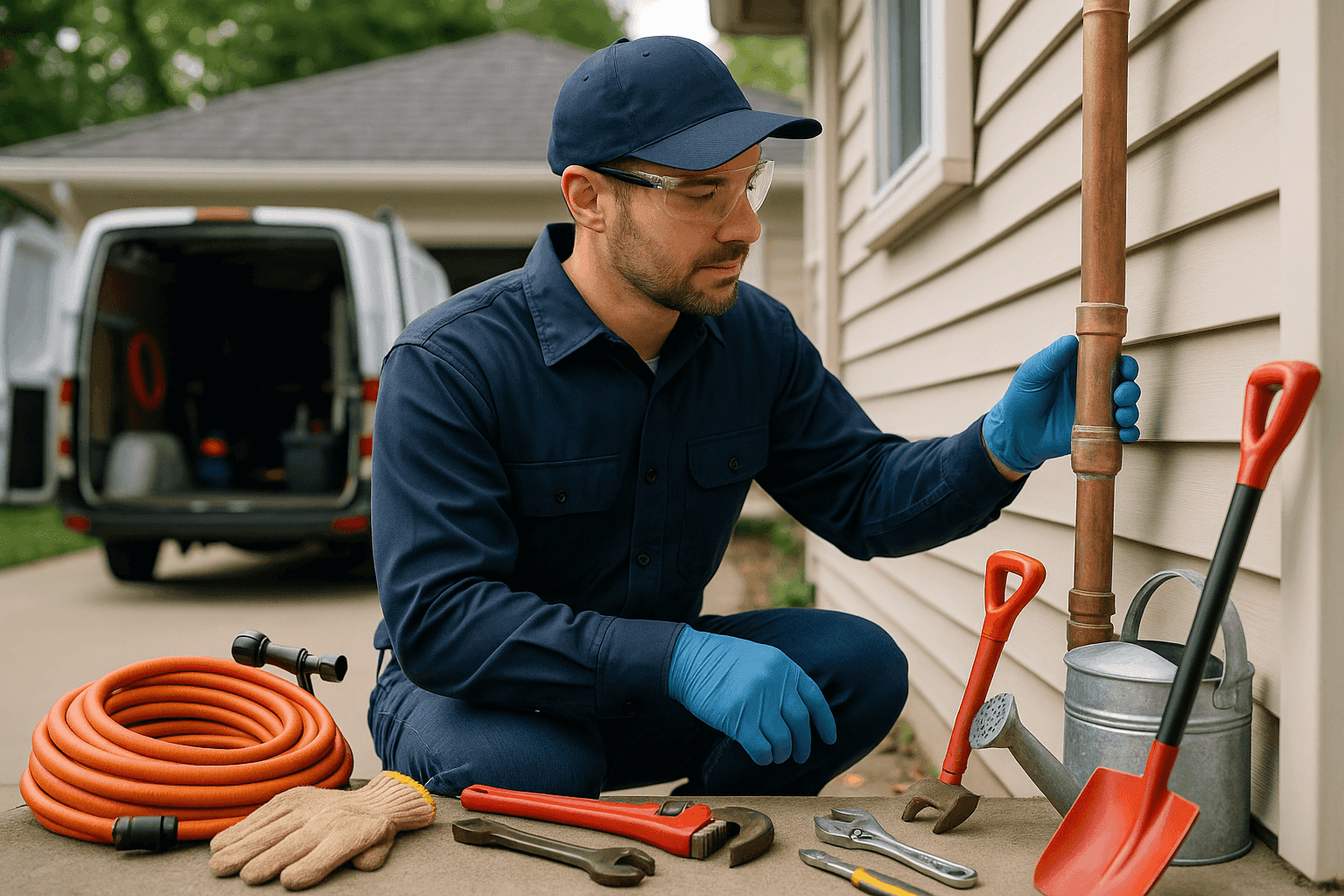
Plumbing problems rarely knock politely. They barge in—often at the worst possible time. A dripping pipe in the dead of winter. A clogged drain just as guests arrive. For homeowners and small business owners, plumbing emergencies can feel like a storm rolling in out of nowhere.
At Aark Plumbing, we know that most emergencies can be avoided with a little preparation. Just like you wouldn’t drive through a blizzard without checking your tires, your plumbing needs a seasonal checkup to weather the year ahead.
Why Seasonal Plumbing Maintenance Matters
Think of your plumbing system as the veins and arteries of your property. They work quietly in the background—until something goes wrong. Seasonal changes put unique stress on pipes, fixtures, and drains. Cold snaps freeze pipes. Spring thaws reveal leaks. Summer brings heavy water use. Fall leaves clog gutters and drains.
Ignoring these shifts is like leaving your umbrella at home during rainy season. Regular maintenance keeps your system flowing, prevents emergencies, and saves you from costly repairs down the line.
Quick Safety Checklist 🛠️
Before you roll up your sleeves, safety comes first. Here’s a quick checklist to keep you and your property safe:
- Know where your main water shutoff valve is located.
- Test smoke and carbon monoxide detectors near water heaters and boilers.
- Use gloves and eye protection when handling chemicals or debris.
- Turn off power to electrical fixtures before working near water.
- Keep a flashlight and basic tools handy for emergencies.
- Never ignore the smell of gas—leave the area and contact a licensed professional immediately.
Winter: Freeze Prevention and Pipe Protection
Winter is tough on plumbing. Water expands as it freezes, putting pressure on pipes. A burst pipe can cause thousands in water damage.
Tips for Winter Plumbing Care:
- Insulate exposed pipes in unheated areas like basements, garages, and crawl spaces.
- Disconnect outdoor hoses and drain exterior faucets.
- Let a trickle of water run from faucets during deep freezes.
- Keep cabinet doors under sinks open to allow warm air to circulate.
- Set your thermostat no lower than 55°F, even if you’re away.
Warning Signs:
- Reduced water flow could mean a frozen pipe.
- Frost on pipes is a red flag.
- Damp spots or water pooling indoors after a freeze.
The International Plumbing Code and local safety guidelines recommend regular inspection of insulation and prompt repair of any leaks before temperatures drop.
Spring: Leak Detection and Recovery
As the thaw arrives, hidden leaks and cracks often show themselves. Spring is the perfect time for a plumbing checkup.
Spring Plumbing Checklist:
- Inspect pipes for signs of corrosion or leaks.
- Check water heater for rust or moisture around the base.
- Test sump pumps to ensure they’re ready for spring rains.
- Clean gutters and downspouts to prevent water backup.
- Examine toilets for running water or weak flushes.
Early Warning Signs:
- Unexplained puddles in the yard or basement.
- Higher-than-normal water bills.
- Musty odors near walls or floors.
The American Society of Home Inspectors recommends a full leak inspection every spring to catch small problems before they become big headaches.
Summer: Water Pressure and Outdoor Plumbing
Summer brings cookouts, gardening, and higher water usage. This is when pressure problems and outdoor plumbing issues come to light.
Summer Plumbing Tips:
- Check for hose bib leaks or cracks.
- Inspect sprinkler systems for broken heads or leaks.
- Monitor water pressure; weak flow may signal hidden leaks or mineral buildup.
- Clean out showerheads and faucet aerators.
- Schedule a backflow test if you have irrigation or fire systems.
What to Watch For:
- Sudden drops in water pressure.
- Water pooling in the yard or near foundations.
- Noisy pipes or banging sounds when turning on taps.
The Uniform Plumbing Code recommends annual backflow prevention tests for properties with irrigation systems.
Fall: Drain Cleaning and Pre-Winter Prep 🍂
Leaves, debris, and cooler weather mean it’s time for fall maintenance. Preparing now helps you avoid winter emergencies.
Fall Maintenance Tasks:
- Clear gutters, downspouts, and outdoor drains.
- Schedule professional drain cleaning to prevent clogs.
- Inspect and service sump pumps before heavy rain.
- Check for loose or leaking fixtures.
- Test water heaters and boilers for safe operation.
Key Signs to Address:
- Slow-draining sinks or tubs.
- Gurgling noises in drains.
- Rust-colored water from taps.
The Plumbing-Heating-Cooling Contractors Association suggests annual drain cleaning to keep systems running smoothly.
DIY or Call a Pro?
Some tasks are perfect for DIY. Others are best left to licensed plumbers.
DIY-Friendly Tasks:
- Insulating pipes with foam sleeves.
- Cleaning gutters and downspouts.
- Checking for visible leaks under sinks.
Call a Professional For:
- Persistent leaks or damp patches.
- Frozen or burst pipes.
- Gas line or water heater issues.
- Sewer line backups or slow drains throughout the property.
- Backflow prevention device testing.
Remember, safety codes and manufacturer guidelines are there for a reason. If you’re unsure, it’s safer—and often cheaper—to call in the pros.
What Pros Do On Arrival
When you call Aark Plumbing for emergency plumbing or seasonal maintenance, here’s what to expect:
- A licensed plumber will assess the situation and locate the source of the problem.
- We’ll use specialized tools (like thermal cameras for leak detection or video scopes for drains) to diagnose issues.
- All work is performed according to current plumbing codes and safety standards.
- We’ll explain the issue in clear terms and recommend the best solution—no jargon, no upsell.
- After repairs, we’ll test your system to ensure everything’s flowing as it should.
Prevention & Maintenance for Long-Term Savings
Proactive maintenance is like regular oil changes for your car. It keeps things running and prevents breakdowns.
Year-Round Tips:
- Schedule annual plumbing inspections.
- Replace old or corroded pipes before they fail.
- Install water leak detectors for early warning.
- Flush your water heater yearly to prevent sediment buildup.
- Test water pressure and adjust as needed.
Following guidelines from the International Association of Plumbing and Mechanical Officials (IAPMO) can extend the life of your plumbing system and reduce the risk of emergencies.
Costs & Time Factors
Plumbing maintenance and repairs vary in cost and time. Here’s what typically affects the price:
- Type of Service: Drain cleaning and leak detection are usually quicker and less costly than sewer or gas line repairs.
- Severity: Minor leaks or clogs may take an hour, while major repairs could require several visits.
- Parts & Materials: Replacement fixtures or pipes add to the cost.
- Emergency Calls: After-hours or weekend services may include additional fees.
On average, seasonal inspections and preventative maintenance can be completed in a few hours, while emergency plumbing repairs can range from quick fixes to more involved projects.
When It’s an Emergency 🚨
Not every plumbing issue can wait. Here’s when to call for emergency plumbing right away:
- Burst pipes or major leaks with active water flow.
- Sewer backups or multiple clogged drains.
- No water or no hot water throughout the property.
- Gas leaks or the smell of rotten eggs.
- Flooding or standing water near electrical outlets.
Don’t try to handle these alone. Shut off your main water or gas supply and call a licensed plumber immediately.
Frequently Asked Questions
How often should I schedule plumbing maintenance?
We recommend a full inspection at least once a year, with seasonal checkups before winter and spring.
Can I use chemical drain cleaners for clogs?
Chemical cleaners can damage pipes and aren’t always effective. Mechanical cleaning or professional drain cleaning is safer and more reliable.
What’s the best way to prevent frozen pipes?
Insulate exposed pipes, keep heat circulating in cold areas, and let faucets drip during deep freezes.
How do I know if I have a hidden leak?
Watch for unexplained increases in your water bill, damp spots, or musty odors. Leak detection tools and professional inspections can help pinpoint the source.
Special Considerations for Homeowners and Small Businesses
Every property is unique. Older homes may have aging pipes or outdated fixtures that need extra attention. Small businesses with commercial kitchens or public restrooms face higher water usage and stricter safety codes.
- Schedule preventative maintenance during off-hours to minimize disruption.
- Keep records of all repairs and inspections for insurance and compliance.
- Consider upgrading to water-efficient fixtures to reduce costs and prevent wear.
Following industry best practices and local plumbing codes helps keep your property safe, efficient, and ready for every season.
Call Aark Plumbing now — or reach us anytime at 888-403-1101 .