Seasonal Plumbing Maintenance: Essential Tips to Protect Your Home Year-Round
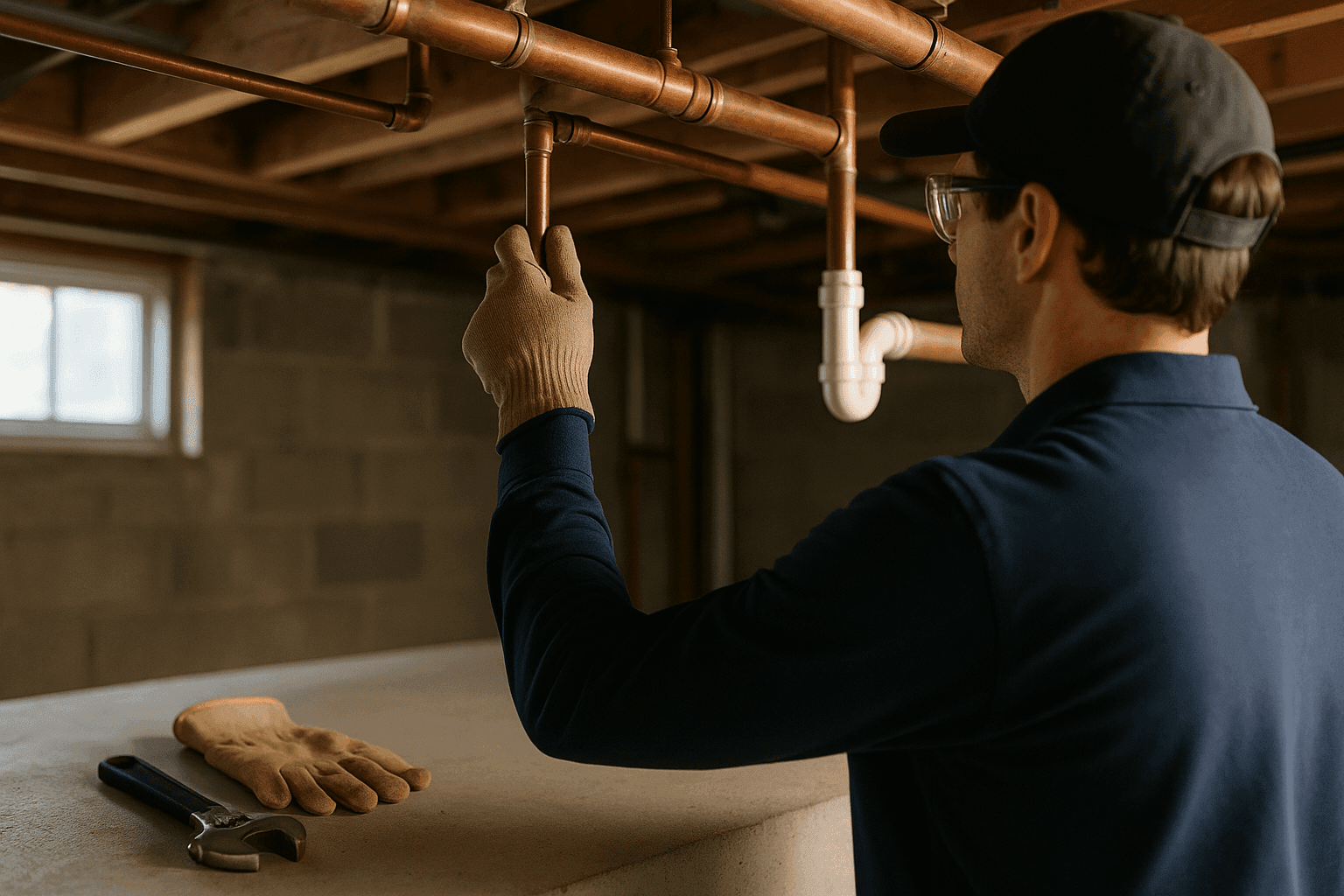
Plumbing problems don’t wait for a convenient time. Sometimes, it’s a slow drip that keeps you up at night. Other times, it’s a burst pipe that turns your basement into a swimming pool. No one wants that kind of surprise.
At Aark Plumbing, we know most emergencies can be avoided with a little planning. Seasonal plumbing maintenance is like giving your home a raincoat before the storm. Let’s walk through each season and show you practical steps to keep things flowing smoothly—so you can spend less time worrying and more time living.
Why Seasonal Plumbing Maintenance Matters
Think of your plumbing like a marathon runner. It works hard every day, facing different challenges as the weather changes. Without the right care, small issues can grow into expensive emergencies. And when it comes to water, even a tiny leak can cause big headaches.
Preventative maintenance isn’t just about avoiding disasters. It’s about saving money, protecting your property, and keeping your family or business safe. The best time to fix a problem? Before it starts.
Quick Safety Checklist 🛠️
Before you dive into any plumbing task, safety comes first. Here’s a checklist to keep you—and your pipes—out of trouble:
- Shut off water at the main valve before repairs.
- Use gloves and eye protection when handling chemicals or tools.
- Never mix drain cleaners or pour boiling water down plastic pipes.
- Know where your emergency shut-off valves are.
- Use a sturdy ladder for hard-to-reach spots.
- If you smell gas, leave immediately and call for help.
The International Association of Certified Home Inspectors recommends regular plumbing checks for safety and efficiency. Always follow manufacturer instructions and local plumbing codes.
Spring: Wake Up Your Plumbing
As winter fades, your plumbing system deserves a fresh start. Spring is the perfect time to check for damage caused by freezing temperatures and to prepare for rainy weather.
Spring Plumbing Maintenance Tasks
- Inspect exposed pipes for cracks or leaks caused by winter’s chill.
- Check outdoor faucets for drips or reduced water flow—frozen pipes can split.
- Clean gutters and downspouts to prevent water from pooling near your foundation.
- Test your sump pump by pouring water into the pit. Listen for smooth operation.
- Look for signs of leaks under sinks, around toilets, and behind appliances.
Spotting Early Signs of Trouble
- Water stains on ceilings or walls.
- Musty odors near plumbing fixtures.
- Slow-draining sinks or tubs.
- Unexplained spikes in your water bill.
If you notice any of these, it’s time to act before small problems grow.
Summer: Keep Cool and Clear
Summer brings heat, humidity, and extra guests. Your plumbing works overtime, especially in kitchens and bathrooms. Clogs and leaks love to show up when you least expect them.
Summer Plumbing Maintenance Tasks
- Clear slow drains with a plunger or drain snake—avoid harsh chemicals.
- Inspect washing machine hoses for bulges or leaks. Replace if needed.
- Check for toilet leaks by adding a few drops of food coloring to the tank. If color appears in the bowl, you’ve got a leak.
- Clean aerators on faucets to remove mineral buildup.
- Flush your water heater to clear sediment and improve efficiency.
Preventing Summer Plumbing Emergencies
- Remind guests not to flush wipes or hygiene products.
- Don’t dump grease down the kitchen sink.
- Run cold water while using the garbage disposal.
A little attention now can save you from a mid-summer emergency plumbing call.
Fall: Prepare for the Chill
Leaves fall, temperatures drop, and your plumbing needs a coat of armor. Fall is all about preparing for winter’s freeze and preventing burst pipes.
Fall Plumbing Maintenance Tasks
- Insulate exposed pipes in basements, crawl spaces, and garages.
- Disconnect garden hoses and shut off outdoor faucets.
- Check water heater settings—120°F is usually enough.
- Inspect for leaks around toilets and sinks.
- Schedule a professional sewer line inspection to catch tree root invasions.
How to Identify Hidden Leaks
- Listen for running water when everything is turned off.
- Check your water meter before and after a two-hour period of no water use.
- Look for damp spots or mold growth.
Don’t ignore small leaks. They can freeze and split pipes when temperatures drop.
Winter: Defend Against the Freeze ❄️
Winter is the toughest season for plumbing. Frozen pipes are a top cause of emergency plumbing calls. A little preparation goes a long way.
Winter Plumbing Maintenance Tasks
- Let faucets drip on the coldest nights to keep water moving.
- Open cabinet doors under sinks to let warm air circulate.
- Seal cracks and gaps near pipes with caulk or insulation.
- Know your main shut-off valve’s location in case of a burst pipe.
- Test your sump pump—winter thaws can cause flooding.
What to Do If a Pipe Freezes
- Turn off the main water supply.
- Apply gentle heat (hair dryer or warm towels) to the frozen area.
- Never use a blowtorch or open flame.
If the pipe bursts, call for emergency plumbing help right away.
DIY vs. Call a Pro
Some plumbing tasks are perfect for a Saturday afternoon. Others require the steady hands and trained eyes of a licensed plumber.
When DIY Makes Sense
- Clearing minor clogs with a plunger.
- Tightening loose fittings.
- Replacing faucet washers.
- Cleaning aerators or showerheads.
When to Call Aark Plumbing
- Persistent leaks or water stains.
- Low water pressure throughout the house.
- Water heater issues (strange noises, no hot water).
- Gas line smells or suspected leaks.
- Sewer backups or slow drains in multiple fixtures.
A professional can spot hidden problems, follow safety codes, and keep your plumbing system in top shape.
What Pros Do On Arrival
When you call Aark Plumbing, here’s what to expect:
- Thorough inspection of visible and hidden pipes.
- Use of leak detection equipment (like acoustic sensors and cameras).
- Testing water pressure and checking for irregularities.
- Examining fixtures and connections for signs of wear.
- Recommendations for repairs or upgrades based on current codes and best practices.
We follow standards set by organizations like the Uniform Plumbing Code and the American Society of Plumbing Engineers.
Prevention & Maintenance: Your Year-Round Game Plan
Routine care is your best defense against plumbing surprises. Here’s how to build a simple maintenance habit:
- Set seasonal reminders to check pipes, faucets, and appliances.
- Schedule annual plumbing inspections—especially for older homes.
- Invest in preventative upgrades like water filtration or backflow prevention.
- Practice safe habits (don’t flush wipes, avoid pouring grease down drains).
- Keep an emergency plumbing kit: plunger, pipe wrench, plumber’s tape, bucket, and flashlight.
Preventative maintenance saves money, time, and stress. It’s like brushing your teeth—small steps now mean fewer big problems later.
Costs & Time Factors
Plumbing maintenance doesn’t have to break the bank. Most seasonal tasks are quick, affordable, and can be done in under an hour. Larger jobs—like leak repairs or sewer line inspections—may take longer and cost more, especially if you wait until a problem becomes urgent.
- DIY tasks: 10–60 minutes, minimal supplies.
- Professional inspections: 1–2 hours for a typical home or small business.
- Repairs: Time and cost depend on the issue’s size and location.
Regular upkeep is almost always cheaper than dealing with an emergency plumbing disaster.
When It’s an Emergency
Sometimes, things go wrong fast. Here’s how to know when to call for emergency plumbing help:
- Water gushing from a broken pipe.
- Sewage backing up into sinks or tubs.
- No water at all, or only cold water in winter.
- Gas smell near appliances or lines.
- Flooding around your water heater or sump pump.
Turn off your main water supply and call for help. Fast action can limit damage and keep your home safe.
FAQ: Seasonal Plumbing Maintenance
How often should I check my plumbing?
Check visible pipes, faucets, and appliances at least once per season. Schedule a professional inspection yearly or if you notice any issues.
What’s the best way to prevent frozen pipes?
Insulate exposed pipes, keep indoor temperatures above 55°F, and let faucets drip during extreme cold. Open cabinet doors under sinks to allow warm air in.
Can I use store-bought drain cleaners?
It’s better to use a plunger or drain snake. Chemical drain cleaners can damage pipes and are unsafe for septic systems.
Is preventative maintenance worth it?
Absolutely. Preventative maintenance stops small problems from becoming emergencies, saves money, and extends the life of your plumbing system.
Special Considerations for Homeowners and Small Business Owners
Every property is unique. Older homes may have aging pipes that need extra care. Small businesses often have higher water usage, putting more stress on plumbing systems. If you own a rental property, regular checks protect your investment and keep tenants happy.
Remember to:
- Review your property’s plumbing map and shut-off locations.
- Schedule backflow testing and gas safety checks as required by local codes.
- Keep maintenance records for insurance and resale purposes.
Staying proactive means fewer surprises and smoother days ahead.
Call Aark Plumbing now — or reach us anytime at 888-403-1101 .