Preventing Plumbing Disasters: Essential Tips for Homeowners and Small Businesses
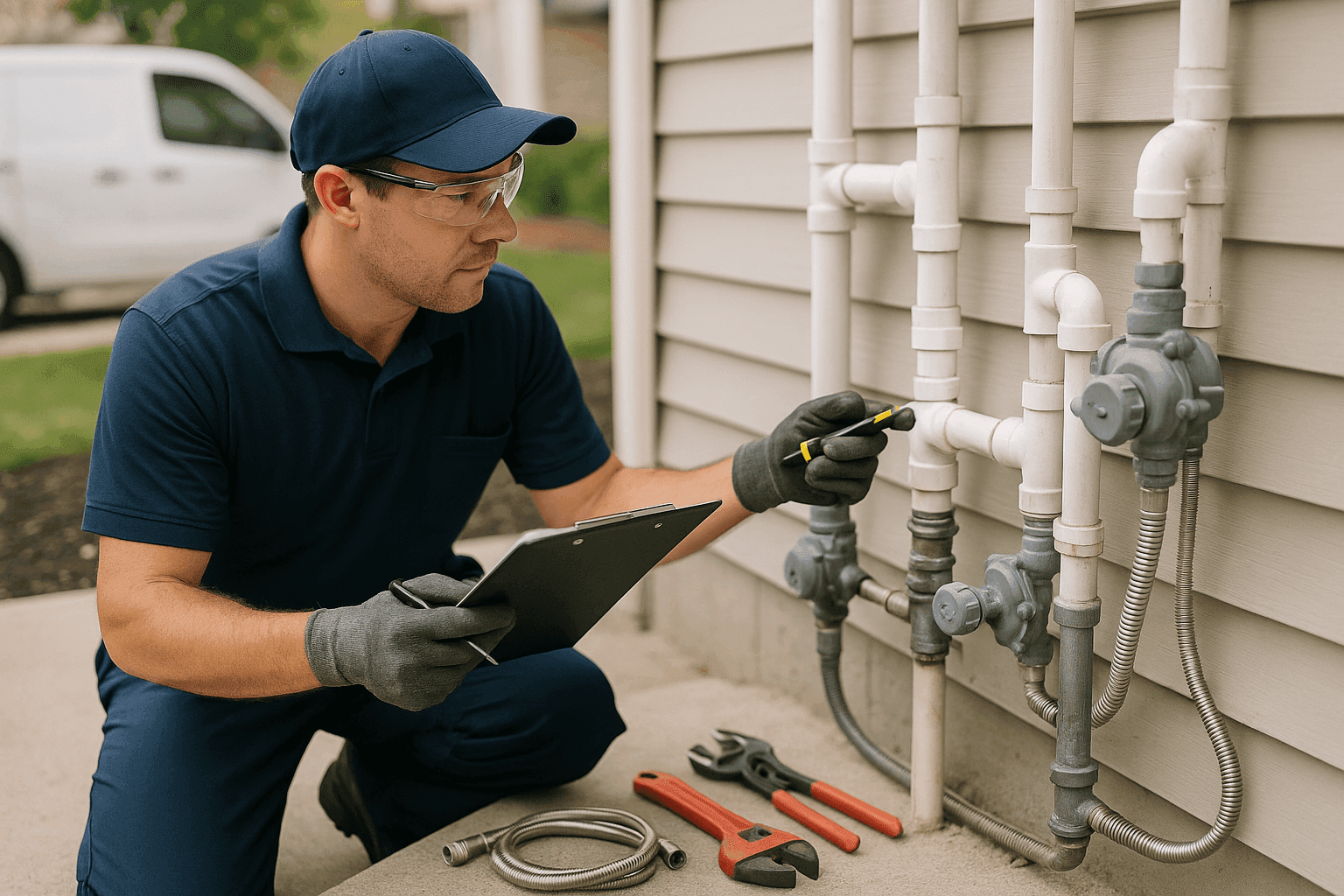
Plumbing disasters rarely knock before barging in. One minute, you’re sipping coffee; the next, water’s pooling at your feet, or a pipe’s hissing behind the walls. For homeowners and small business owners, these emergencies aren’t just inconvenient—they can grind daily life or business to a halt.
At Aark Plumbing, we know the true cost of plumbing emergencies goes far beyond the repair bill. Lost productivity. Damaged belongings. Stress and uncertainty. The good news? Most plumbing disasters are preventable with just a bit of foresight and regular care.
Plumbing Emergencies: What’s at Stake?
Burst pipes. Overflowing toilets. Sudden leaks. When plumbing fails, it’s rarely subtle. Water can ruin floors, walls, and inventory in minutes. Mold may start growing before you’ve even finished mopping up. And for businesses, downtime means lost revenue.
A single undetected leak can waste thousands of gallons of water a year, according to the Environmental Protection Agency (EPA). Even a minor backup can signal a much larger problem lurking out of sight.
Common plumbing emergencies include:
- Burst or leaking pipes
- Blocked drains and toilets
- Water heater failures
- Gas leaks
- Sewer line backups
Each of these can escalate quickly. The trick is to spot trouble early—or better yet, stop it before it starts.
Quick Safety Checklist 🛑
Not sure if your plumbing is at risk? Run through this quick checklist:
- Check under sinks for moisture, puddles, or corrosion.
- Listen for hissing or dripping sounds in walls or near appliances.
- Look for slow drains—they often signal a looming clog.
- Inspect your water heater for rust, leaks, or strange noises.
- Test water pressure; sudden drops can mean trouble.
- Smell for gas—any hint of rotten eggs means you should leave and call for help.
- Ensure backflow devices are in place and tested annually.
- Know your main shut-off valve location and test it twice a year.
A few minutes each season can save you hours of cleanup and thousands in repairs.
DIY or Call a Pro? Knowing Your Limits
Some plumbing issues are like a loose thread on a sweater—easy to fix if you catch it early, but a disaster if you pull too hard.
When You Can DIY
- Clearing minor clogs with a plunger or hand auger.
- Replacing faucet washers or tightening fittings.
- Cleaning aerators on faucets and showerheads.
- Checking for visible leaks under sinks and around toilets.
When to Call a Professional
- Persistent leaks or water stains on ceilings/walls.
- No hot water or strange noises from your water heater.
- Gas smells or suspected gas line issues.
- Backflow or sewer odors in the building.
- Low water pressure throughout the property.
- Frozen pipes or pipes that have burst.
- Main line blockages—especially if multiple fixtures are affected.
Attempting major repairs without the right tools or experience can make matters worse. Licensed plumbers are trained to follow plumbing codes and safety guidelines, protecting your property and everyone inside.
What Pros Do On Arrival
When you call Aark Plumbing for an emergency, you’re getting more than a quick fix. Our licensed plumbers:
- Assess the situation safely, shutting off water or gas if needed.
- Use specialized tools (like thermal cameras or acoustic leak detectors) to find hidden issues.
- Inspect for code compliance and potential hazards.
- Repair or replace damaged pipes, fixtures, or water heaters.
- Test backflow prevention devices and check for cross-connections.
- Document findings so you know exactly what happened—and how to prevent a repeat.
We follow industry standards set by organizations like the International Association of Plumbing and Mechanical Officials (IAPMO) and the American Society of Plumbing Engineers (ASPE).
Prevention & Maintenance: Your Best Defense
Think of your plumbing like a car engine. Ignore it, and you’ll end up stranded on the side of the road. Regular care keeps things running smoothly and catches problems before they snowball.
Set a Maintenance Schedule
- Annual inspections by a licensed plumber.
- Seasonal checks (spring and fall) for leaks, insulation, and outdoor pipes.
- Flush water heaters every 6–12 months to remove sediment.
- Test sump pumps before rainy seasons.
- Inspect and clean drains to prevent buildup.
Seasonal Plumbing Tips
Spring/Summer:
- Check outdoor spigots and hoses for leaks after winter.
- Inspect sprinkler systems for broken lines or heads.
- Watch for tree roots invading sewer lines.
Fall/Winter:
- Insulate exposed pipes to prevent freezing.
- Drain outdoor faucets and irrigation systems.
- Test your heating system and water heater before cold weather hits.
Spotting Early Warning Signs
- Unusual spikes in water bills can mean hidden leaks.
- Gurgling drains or slow toilets often signal a blockage.
- Discolored water may indicate rust or pipe corrosion.
- Mold or mildew smells can point to chronic leaks.
Early action is always cheaper and easier than emergency plumbing repairs.
Costs & Time Factors
Plumbing disasters don’t just drain pipes—they drain wallets.
- Emergency calls cost more than scheduled maintenance.
- Small leaks can often be fixed in under an hour.
- Major repairs (like repiping or sewer line replacement) may take several days and require permits.
- Water damage restoration can multiply costs if left unchecked.
Investing in preventative maintenance is like buying an umbrella before the rain starts. It’s a fraction of the cost of cleaning up after a flood.
When It’s an Emergency
Not every drip is a disaster. But some situations call for immediate help:
- Water gushing from pipes, ceilings, or appliances.
- Sewage backing up into sinks, tubs, or toilets.
- No water coming from taps, especially if you rely on water for business operations.
- Gas leaks—if you smell rotten eggs, evacuate and call emergency services.
- Electrical hazards from water near outlets or appliances.
If you’re ever unsure, it’s safer to call a professional. Quick response can minimize damage and get you back to normal faster.
Frequently Asked Questions
How often should I have my plumbing inspected?
Most experts recommend a full plumbing inspection once a year. For older buildings or those with a history of issues, twice yearly is even better. Regular checks help catch small problems before they become emergencies.
What’s the best way to prevent clogged drains?
Avoid pouring grease, coffee grounds, or fibrous foods down the sink. Use drain screens in showers and sinks. Flush only toilet paper—never wipes or hygiene products.
Can I use chemical drain cleaners?
It’s best to avoid them. Many over-the-counter drain cleaners can damage pipes or harm the environment. Mechanical methods, like plungers or drain snakes, are safer. For stubborn clogs, call a professional.
Is backflow testing really necessary?
Yes. Backflow can contaminate your drinking water with sewage or chemicals. Most plumbing codes require annual testing of backflow prevention devices for businesses and some homes.
Special Considerations for Homeowners and Small Businesses
Every property is unique. Homes may have aging pipes or DIY repairs from previous owners. Small businesses often face higher usage, more complex plumbing, or strict health regulations.
- Keep a plumbing log—track repairs, inspections, and any recurring issues.
- Install water leak detectors in basements, utility rooms, or near sensitive equipment.
- Educate staff or family on how to shut off water and gas in an emergency.
- Schedule regular backflow and gas safety checks—especially if you run a restaurant, daycare, or healthcare facility.
- Stay up to date with the latest plumbing codes and safety guidelines from organizations like the American National Standards Institute (ANSI) and the Occupational Safety and Health Administration (OSHA).
Preventing plumbing disasters is about more than fixing pipes. It’s about protecting your investment, your comfort, and your peace of mind.
Call Aark Plumbing now — or reach us anytime at 888-403-1101 .