How to Prepare Your Plumbing for Seasonal Weather Changes
Every year, the seasons change. And every year, your plumbing faces new challenges. One cold snap or heavy rainstorm can turn a normal day into a scramble to find emergency plumbing help.
Homeowners and small business owners know the stress. At Aark Plumbing, we see firsthand how a little preparation can save time, money, and headaches down the road. Let’s walk through how you can keep your plumbing system ready—no matter what the weather throws at you.
Understanding Seasonal Plumbing Risks ❄️
The weather outside isn’t just small talk. It’s a real force on your pipes and fixtures. Each season brings its own set of risks:
- Freezing Temperatures: Water expands as it freezes. Pipes can crack or burst, leading to major leaks and water damage.
- Heavy Rain and Storms: Stormwater can overwhelm drains and sewers, causing backups or even contamination.
- Falling Leaves and Debris: Gutters, outdoor drains, and vent pipes can clog, leading to slow drainage or flooding.
- Water Pressure Fluctuations: Sudden temperature changes can affect water supply lines, causing pressure spikes or drops.
Think of your plumbing like a marathon runner—without proper warmups and cooldowns, it’s more likely to get injured when the environment shifts.
Essential Seasonal Plumbing Maintenance Tasks
A little maintenance goes a long way. Here’s what to do as the seasons change:
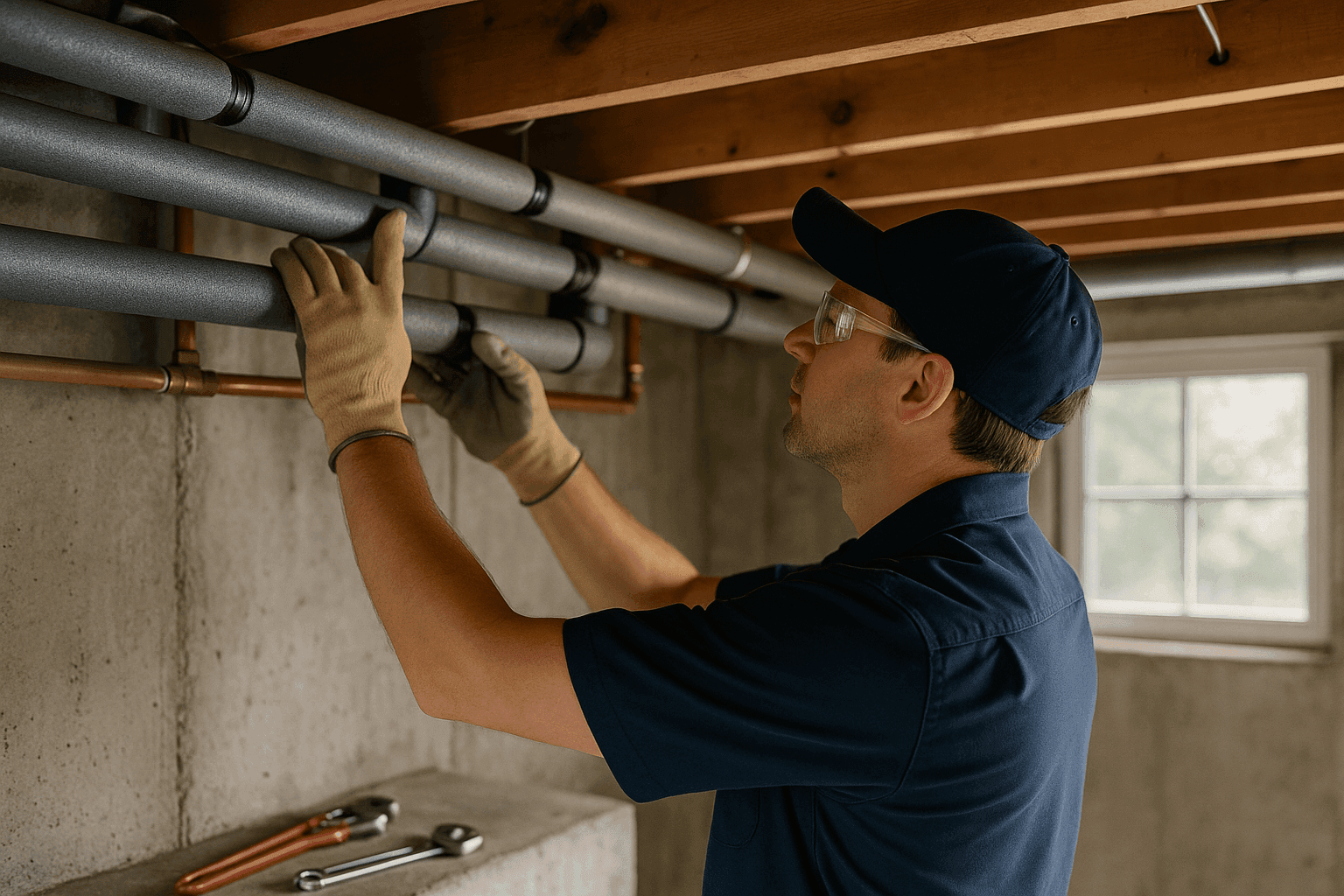
- Insulate Exposed Pipes: Use foam sleeves or wrap for pipes in unheated spaces like basements, crawl spaces, and garages.
- Test Sump Pumps: Pour water into the pit to make sure your sump pump kicks on and drains properly.
- Inspect Water Heaters: Look for rust, leaks, or strange noises. Drain sediment buildup to keep efficiency high.
- Clean Gutters and Drains: Remove leaves and debris from gutters, downspouts, and outdoor drains to prevent blockages.
- Check for Leaks: Examine under sinks, around toilets, and near appliances for any signs of moisture.
- Backflow Testing: Ensure backflow prevention devices are working to keep contaminated water out of your supply lines.
Regular checks can help you spot problems early, before they turn into emergencies.
Winter Plumbing Preparation Tips
Winter is tough on plumbing. Here’s how to keep your pipes safe:
- Seal Drafts: Close gaps near pipes, especially where they enter the house.
- Keep Heat On: Even if you’re away, maintain a minimum indoor temperature to prevent freezing.
- Open Cabinet Doors: In severe cold, open sink cabinets to let warm air circulate around pipes.
- Let Faucets Drip: A slow trickle of water can keep pipes from freezing overnight.
- Disconnect Outdoor Hoses: Shut off and drain outdoor faucets to prevent ice buildup.
A frozen pipe is like a ticking time bomb. Prevention is always easier than clean-up.
Storm and Flood Plumbing Precautions
Heavy rain and storms can overwhelm your plumbing. Here’s how to stay ahead:
- Install Backwater Valves: These help prevent sewage from backing up into your home or business.
- Check Sump Pumps and Battery Backups: Storms often cause power outages. A battery backup keeps your sump pump running.
- Clear Yard Drains: Remove debris from exterior drains to keep water flowing away from your foundation.
- Know Your Shut-Off Valves: If flooding happens, quick access to shut-off valves can limit damage.
Floodwater is unpredictable, but preparation puts you back in control.
When to Schedule Professional Plumbing Inspections 🛠️
Some plumbing jobs are best left to licensed professionals. Here’s when to call in the pros:
- Annual Leak Detection: Small leaks can hide behind walls or under floors. Professional tools find them before they become disasters.
- Backflow Testing: Certified plumbers, following local safety codes, ensure your water supply stays clean.
- Preventative Maintenance: Regular inspections catch worn-out pipes, loose fittings, and outdated fixtures.
- Sewer Line Inspection: Video camera inspections spot root intrusions, cracks, or blockages in main sewer lines.
Licensed plumbers follow code requirements (like those from the International Plumbing Code and local building authorities) and use proven maintenance techniques. This keeps your plumbing—and your property—safer.
How to Identify Plumbing Vulnerabilities
Not sure where to start? Look for these telltale signs:
- Unusual Water Bills: A sudden spike could mean a hidden leak.
- Slow Drains: Water pooling in sinks or tubs signals a clog somewhere down the line.
- Noisy Pipes: Banging or whistling sounds often point to pressure problems or loose fittings.
- Water Stains: Marks on walls or ceilings may indicate a leak above or behind the surface.
- Musty Smells: Persistent damp odors suggest moisture is trapped where it shouldn’t be.
If you notice any of these, don’t wait for a full-blown emergency. Early action saves money and stress.
DIY Plumbing Maintenance Checklist
For those who like to roll up their sleeves, here’s a quick seasonal checklist:
- Inspect all visible pipes for corrosion or leaks.
- Test all shut-off valves for smooth operation.
- Flush water heaters to remove sediment.
- Pour water into unused drains to keep traps filled.
- Check washing machine hoses for bulges or cracks.
- Clean faucet aerators for steady water flow.
Remember: If you hit a snag, it’s always okay to call for help.
When to Call a Professional Plumber
Some situations need a skilled hand. Call Aark Plumbing if you experience:
- No water or very low water pressure
- Burst or leaking pipes
- Sewage smells indoors
- Water heater failure
- Persistent clogs or slow drains
Professionals have specialized tools and training. They can spot hidden problems and make repairs safely, following all required codes and safety guidelines.
What Professional Plumbers Do On Arrival
When a plumber from Aark Plumbing arrives, here’s what you can expect:
- Assessment: We’ll inspect the affected area and ask about any recent changes or issues.
- Diagnosis: Using leak detection equipment, pressure gauges, or cameras as needed, we’ll pinpoint the problem.
- Safety Checks: Gas lines, backflow devices, and water heaters are checked for safety and compliance with code.
- Clear Communication: We’ll explain the issue, options for repair, and estimated costs before starting work.
- Efficient Repairs: Our team works quickly to limit disruption and restore your plumbing.
You’ll get peace of mind knowing your system is in good hands.
Prevention & Maintenance: Your Best Defense
The best emergency is the one that never happens. Here’s how to keep your plumbing healthy all year:
- Schedule annual inspections.
- Insulate pipes before winter.
- Test sump pumps before storm season.
- Replace old hoses and fixtures before they fail.
- Install water filtration for healthier plumbing and fewer mineral deposits.
Following manufacturer guidelines and referencing resources like the International Association of Plumbing and Mechanical Officials (IAPMO) can help you stay up to date.
Costs & Time Factors
Plumbing maintenance doesn’t have to break the bank or eat up your weekend. Here’s what to expect:
- DIY Tasks: Most seasonal checks take an hour or two and cost little more than basic supplies.
- Professional Inspections: These can take 1–3 hours, depending on your system’s size and complexity.
- Repairs: Time and cost depend on the issue. Fixing a minor leak is quick, while repiping a section takes longer.
Preventative maintenance is almost always less expensive than emergency plumbing repairs.
When It’s an Emergency
Sometimes, things go wrong fast. Call for emergency plumbing help if you experience:
- Water flooding your home or business
- No water at all
- Sewage backing up into sinks or tubs
- Gas smells near appliances or gas lines
Quick action can prevent bigger problems. Don’t wait if you’re unsure—the cost of delay is almost always higher.
FAQ: Seasonal Plumbing Preparation
Q: How often should I check my plumbing for leaks?
A: At least once per season. Early detection prevents bigger issues.
Q: Can I insulate pipes myself?
A: Yes! Foam sleeves are easy to install. Focus on pipes in unheated areas.
Q: What’s the most common cause of winter plumbing emergencies?
A: Frozen pipes. Keep them warm and let faucets drip during cold snaps.
Q: How do I know if my sump pump is working?
A: Pour water into the pit. The pump should start and drain the water promptly.
Special Considerations for Seasonal Plumbing Care
- Older Homes: Pipes may be more vulnerable to freezing and leaks. Extra insulation and regular checks are key.
- Small Businesses: Plumbing downtime can disrupt operations. Schedule maintenance during off-hours.
- Vacation Properties: Keep heat on low and shut off the main water supply if you’ll be away for long periods.
- Water Quality: Seasonal changes can affect water taste or clarity. Consider water filtration systems for added protection.
Seasonal prep is like putting on a raincoat before the storm. It keeps your plumbing—and your peace of mind—secure.
Call Aark Plumbing now — or reach us anytime at 888-403-1101 .